I’m inching closer to heading to Ghana to begin my PhD fieldwork… but what will that entail? And where?
In 2016 I went to Ghana’s Upper West Region to do the fieldwork for my MSc. I was studying resistance to gold mining in Dagaabe communities, with a specific focus on non-Western environmentalism and environmental resistance. I learnt loads and the experience deepened my interest in environmental knowledge and environmentalism beyond its conceptualisation in the global North. I subsequently started working on conservation and human rights, and became interested in how conservation policy making affects local people, and my curiosity about both issues has fed into and shaped my PhD research.
But first, some history. Conservation has a long and bloody history on the African continent. Colonial powers brought with them the kind of conservation approaches that had first been used in America – that is, ring fencing an area and removing all the people – and used them to create parks, predicated on the idea that people and nature could not co-exist. In the process, local people were displaced from their ancestral territories, severely affecting their connection to their culture, traditions and way of life. Sadly, these harms are not just historic: parks continue to be created and managed in ways that result in human rights violations.
In the 1980s, policymakers started to rethink the ‘parks’ model of conservation: what if instead of excluding them, local people could play key roles in biodiversity conservation? Community-based conservation policies were first trialled in Southern Africa and subsequently became popular all over the continent. Ghana introduced its own community-based conservation legislation, the Community Resource Management Area, which (much like other community-based conservation approaches) gives communities the right to manage their natural resources sustainably.


And now we dive into the weeds! While community-based conservation is preferable model in many ways, like many (most?) development interventions, it is generally led by outsiders to the community, and as such, initiatives can be limited in how well they connect with local peoples’ environmental knowledge, customs, and practices. I’m planning to explore this in more detail by spending time with the monitoring team in each of the community-based conservation initiatives I’m visiting – working with the monitors to understand how they draw on their own knowledge of their environment in their monitoring work, how they listen to and interact with their environment, and the role their knowledge and relationship with place plays in the community-based conservation initiative.
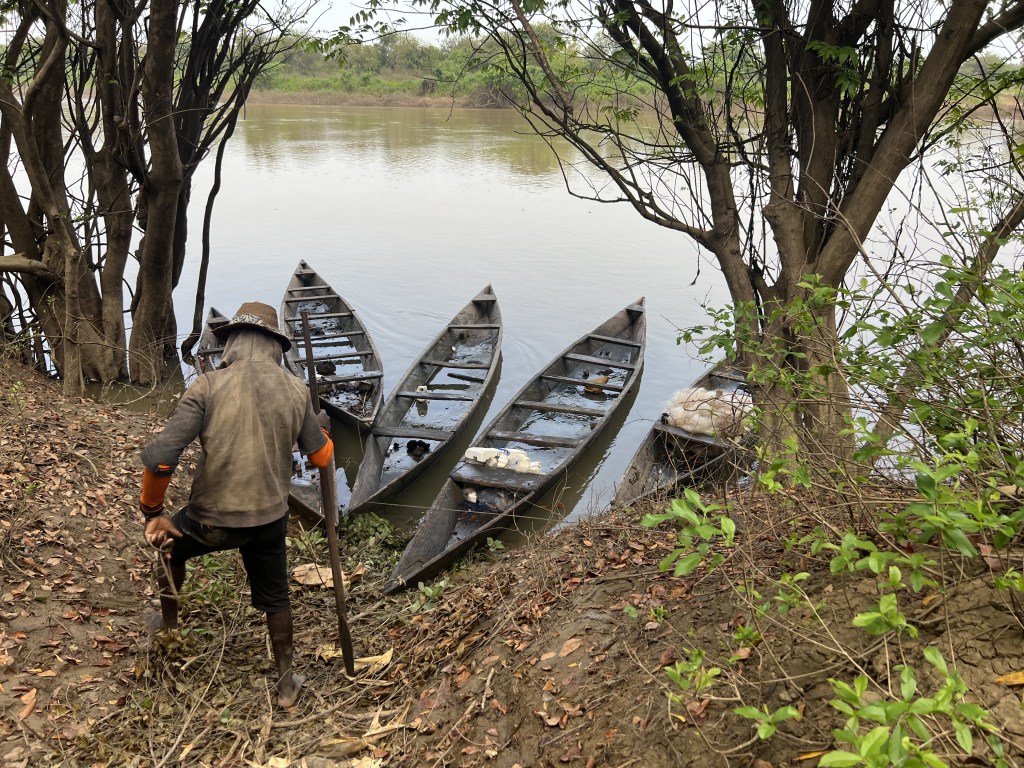
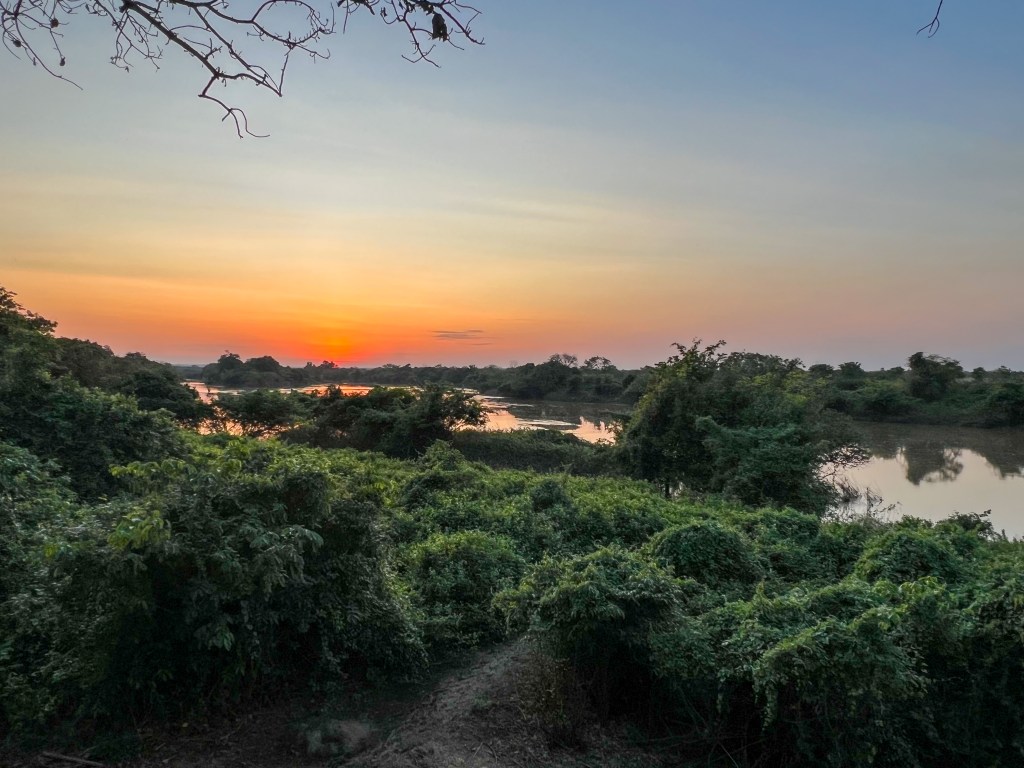
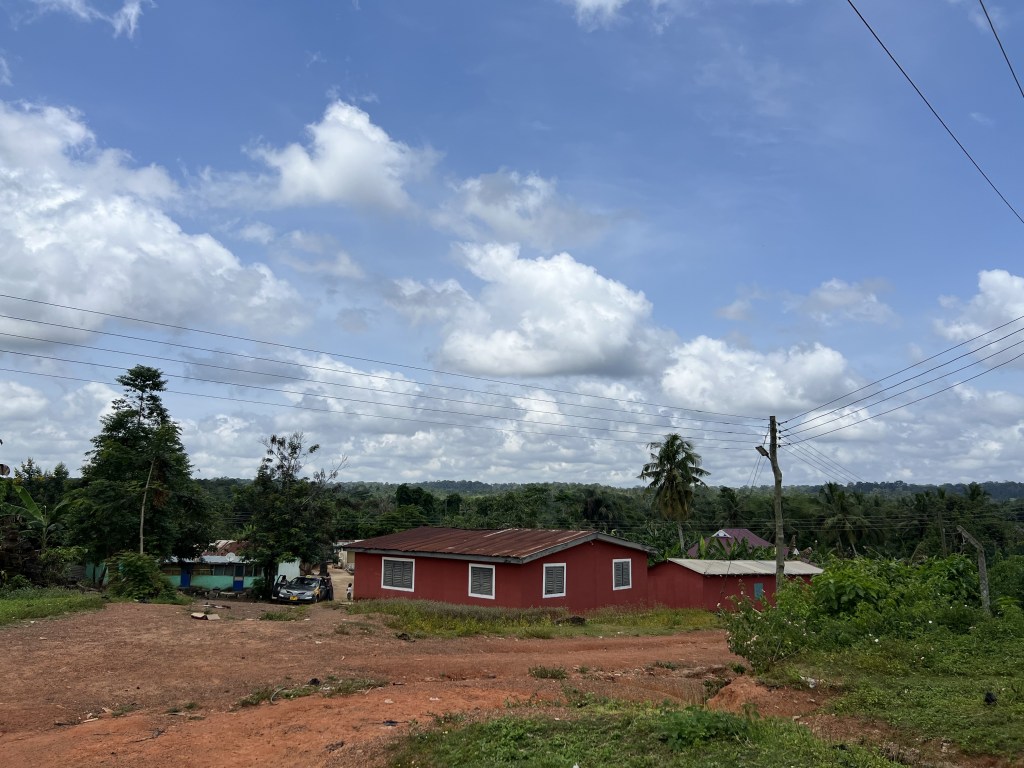
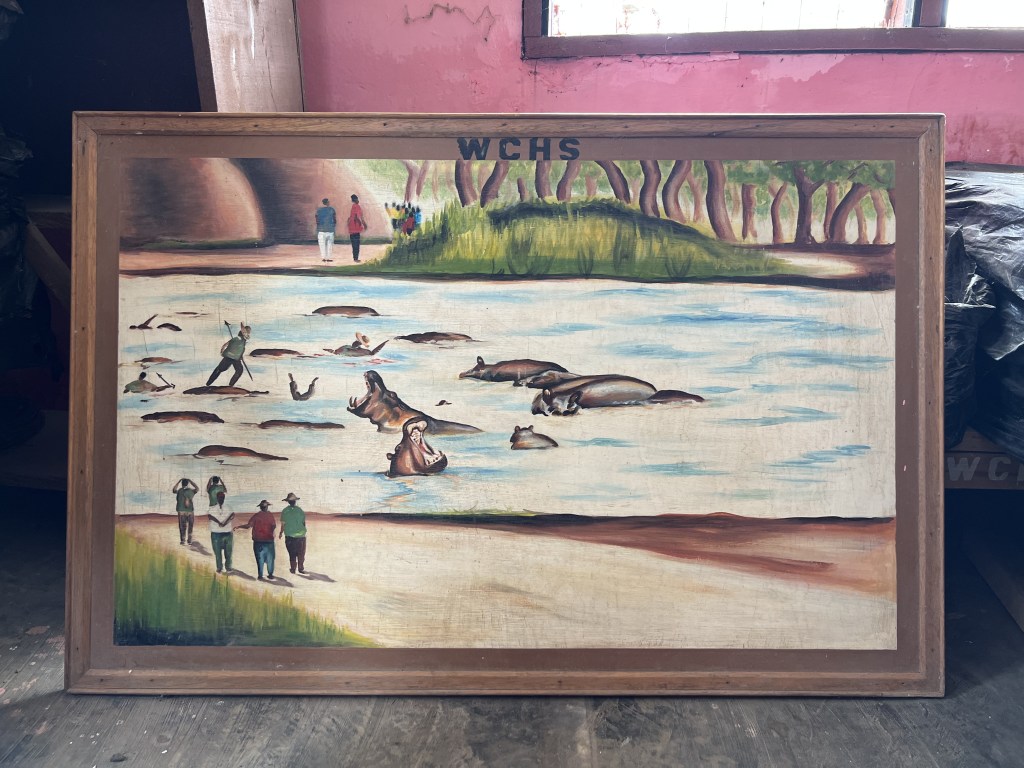
I’m going to be spending time with two community-based conservation initiatives: the first is a hippo sanctuary in the Upper West Region, situated along the banks of the river which divides Ghana and Burkina Faso. The second is a much newer initiative on the fringes of Kakum National Park.
I’ll write more about each soon! Thanks for reading.
 Claire Bracegirdle